[email protected]
+1 (502) 904-2126
One Westbrook Corporate Center, Suite 300, Westchester, IL 60154, USA
Site Map
 ISSN: 2574 -1241
ISSN: 2574 -1241
ISSN: 2574 -1241
Received: June 29, 2026; Published: July 08, 2026
*Corresponding author: Justin Dearing DC, DACNB, FIAMA, FAARM, The Dearing Clinic, Brentwood, TN, USA
DOI: 10.26717/BJSTR.2026.66.010291
A middle-aged male presented with severe neck pain, forgetfulness, decreased mental clarity, weight gain, and gastrointestinal discomfort, which led to a reliance on pain medications. His lifestyle choices did not involve regular drinking or smoking. His treating physicians made diagnoses of early-onset dementia, post-concussive syndrome, obesity, cervical spinal enthesopathy, and myalgia in other sites. After diagnostic testing, the patient was advised by a licensed health care provider to follow a personalized nutraceutical regimen, physical rehabilitation, chiropractic, intravenous (IV) regenerative therapy, IV nutrient therapy, and hyperbaric oxygen therapy (HBOT). The supplement regimen consisted of Designs for Health Berberine Synergy™, IgGI Shield™, GI Revive®, Homocysteine Supreme™, Hepatatone Plus™, Libidostim-M™, OmegAvail™ Hi-Po, Whole Body Collagen®, Vascanox HP®, Adrenotone™, Tri-Butyrin, Allicillin™, and GI Microb-X™. The protocol was associated with clinically meaningful improvements in cognitive function, quality of life, gut microbiome markers, nutrient status, and neurotransmitter status. This case report describes the clinical outcomes associated with a multimodal integrative treatment approach.
Abbreviations: IV: Intravenous; HBOT: Hyperbaric Oxygen Therapy; TBI: Traumatic Brain Injury; NFL: National Football League; FRQ: Fall Risk Questionnaire; CBC: Complete Blood Count; CNS: Central Nervous System; OAT: Organic Acids Test; LPS: Lipopolysaccharide; SNPs: Single-Nucleotide Polymorphisms; qEEG: Quantitative EEG; SCFAs: Short-Chain Fatty Acids; DATS: Diallyl Trisulfide; DADS: Diallyl Disulfide; DAS: Diallyl Sulfide; NAD⁺: Nicotinamide Adenine Dinucleotide; MSCs: Mesenchymal Stem Cells; PRP: Platelet-Rich Plasma; BDNF: Brain-Derived Neurotrophic Factor; VEGF: Vascular Endothelial Growth Factor; SOD: Superoxide Dismutase; LDL-C: Low-Density Lipoprotein Cholesterol
Traumatic brain injury (TBI) and its long-term sequelae represent a major clinical and socioeconomic challenge, particularly among retired professional athletes with a history of repetitive head and neck trauma [1]. Post-concussive syndrome, cognitive decline, and associated metabolic and musculoskeletal disorders frequently coexist, producing a complex clinical picture that is often refractory to conventional therapies. This case presents a 50-year-old male, a former National Football League (NFL) lineman with more than a decade of professional play, who developed severe cervical pain, progressive cognitive impairment, gastrointestinal dysfunction, and significant metabolic dysfunction following cumulative sub-concussive impacts and a recent fall. The patient’s presentation was consistent with multifactorial pathology, including early-onset dementia, post-concussive syndrome, obesity, use of opioid medication, metabolic dysfunction, and cervical enthesopathy. At the beginning of this case, the patient presented with a height of 6′5″ and a weight of 320 lb. (BMI 37.9). This baseline measurement was obtained on the clinic scale before Fit3D technology was introduced. Despite standard medical management and pain-control strategies, his condition progressed to functional impairment, with loss of independence in daily life and an inability to care for his family.
This case is clinically significant because it illustrates the potential for a comprehensive, multimodal integrative approach, including targeted nutraceutical supplementation, IV nutrition and regenerative therapy, hyperbaric oxygen therapy, chiropractic rehabilitation, and personalized physical therapy, to achieve substantial improvements in cognition, pain, gastrointestinal health, and overall quality of life. Existing literature on post-concussive and neurodegenerative syndromes highlights chronic neuroinflammation, oxidative stress, mitochondrial dysfunction, and gut–brain axis disruption as key pathophysiologic drivers [2-6]. Prior studies have demonstrated partial benefits of nutritional and rehabilitative interventions; however, reports detailing coordinated, precision-based regimens incorporating high-quality nutraceuticals and adjunctive IV regenerative medicine remain limited [7-10]. This case adds to the growing body of literature describing clinically meaningful improvements in cognitive and systemic symptoms associated with a multimodal integrative treatment approach.
Patient Information
A 50-year-old male with a history as a professional NFL lineman presented with severe acute onset of left neck pain, post-concussive syndrome, weight gain, and gastrointestinal upset. The patient reported a history of numerous sub-concussive impacts to the head and neck during his football career. The patient arrived at the clinic after a fall that resulted in a neck and foot injury. Upon examination, a history of mild cognitive impairment and early-onset dementia was uncovered. He presented with memory and cognitive processing problems to the point that he was unable to care for his children and support his wife. The patient had previously received a diagnosis of early-onset dementia. Repetitive head trauma was considering a potential contributing factor, and was likely compounded by regular consumption of pain medication.
Clinical Findings
Physical examination revealed muscle spasms of the right paraspinal musculature with soft tissue trigger points at the right scalene, right suboccipital, and right upper trapezius.
Mental health was stable with no signs of depression, anxiety, or stress, as indicated by the DASS-21 assessment (Depression: 0, Anxiety: 2, Stress: 4 — all within normal range) on March 16, 2023.
Sleep quality was reported as good, supported by an Epworth Sleepiness Scale score of 3 (scores below 6 are considered within normal limits) on March 16, 2023.
The Fall Risk Questionnaire (FRQ) indicated a significant risk for falling with a score of 9, where scores above 4 suggest increased risk (March 16, 2023).
Laboratory Work
The patient completed standard CBC and CMP panels at the beginning of this case, in 2023, as part of routine primary care screening. Repeat CBC/CMP testing was performed in 2024 during an NFL routine player check-up. The final round of testing was completed in 2025 for life insurance purposes; however, only liver markers were provided to his physician to compare to 2023 and 2024 tests (Table 1). These results demonstrated improvements in immune cell stability as well as overall cardiovascular and hepatic function (see Tables 1 & 2). Comparison of the patient’s complete blood count (CBC) results reflect improved systemic metabolic and inflammatory status following 18 months of therapy (see Tables 1 & 2). The improvement in white blood cell distribution reflects a normalization of immune function and health of the bone marrow. Neutrophils increased from 47.6% to 60.2%, which indicates a stronger and more efficient firstline defense response.11 Neutrophils are essential for combating acute infections and clearing cellular debris; a rise within the optimal range suggests improved innate immune readiness and recovery capacity [11,12]. Lymphocytes stabilized at 30%, representing balanced adaptive immunity [13]. Stable lymphocyte levels imply that the body is no longer mounting an excessive or prolonged immune response and that both antibody production and cellular immune regulation are functioning appropriately [14]. Meanwhile, monocytes declined from 10% to 7%, suggesting a reduction in chronic inflammatory signaling.
Elevated monocytes often accompany long-standing tissue stress or inflammation, so their normalization supports the interpretation that the prior chronic inflammatory burden has been improved and that tissue repair processes are now predominating over inflammatory ones [15,16]. Collectively, these findings suggest a transition from a state of chronic immune activation to one of immunological balance and restored homeostasis. Because mitochondrial integrity underpins bone marrow vitality, driving energy metabolism, redox balance, and stem cell renewal, the observed hematologic improvements are consistent with enhanced mitochondrial function within marrow and hematopoietic cells. Baseline findings were consistent with immune fatigue and low metabolic activity, as evidenced by a WBC count of 3.7 and mild monocytosis (10.2%). After 18 months, total white blood cell counts normalized (3.7 → 5.1), and differential values balanced (see Table 2). The latest neutrophil-to-lymphocyte ratio of approximately 2:1, in 2024, reflects improved physiologic stress adaptability, from 1.2:1 in 2023 [17]. Collectively, these findings suggest a transition from a state of chronic immune activation to one of immunological balance and mitochondrial resilience. This connection is made because mitochondrial integrity underpins bone marrow vitality, driving energy metabolism, redox balance, and stem cell renewal [18,19]. The observed hematologic improvements are consistent with enhanced mitochondrial function within bone marrow and hematopoietic cells [18,19].
Neurological and Cognitive Testing
In March 2023, a series of Central Nervous System (CNS) Vital Signs assessments was initiated to track brain and nervous system performance. Results indicated scores very low range for reaction time, low for verbal memory, and low-average across neurocognitive index, composite memory, psychomotor speed, cognitive flexibility, processing speed, and executive function — highlighting multiple areas for improvement (see Figure 1). In May 2024, the patient improved to exhibit no areas of very low scoring, with low composite memory and verbal memory, and a low average for visual memory and reaction time. The rest of his scores were in the average or above-average range (Figure 1).
Functional Testing
In December 2023, the patient showed limited improvement, and additional testing was pursued to identify underlying factors contributing to suboptimal progress. A Metabolomics Spotlight Organic Acids Test (OAT) and a Gastrointestinal Spotlight Functional Stool Test were conducted (see Tables 3 & 4). Findings revealed elevated secretory IgA, suggesting heightened immune activity likely in response to fungal marker Candida spp [20-22]. Candida spp. can promote aldehyde formation in the gut, and shares a relationship with depleted B vitamin status, which was observed in the OAT results [23-25]. Elevated Pseudomonas spp. was also detected, an opportunistic histamine-producing gram-negative bacterium that produces lipopolysaccharide (LPS), a compound contributing to neuroinflammation [26,27]. Evidence of Staphylococcus aureus overgrowth was also noted, likely secondary to digestive insufficiency [28,29]. Gut barrier integrity was generally good, though elevated Zonulin levels were detected (Table 3). Commensal bacterial populations appeared within normal ranges. The OAT results confirmed low B-vitamin status and neurotransmitter imbalance involving dopamine and norepinephrine, associated with deficiencies in vitamins B2, B3, and magnesium (Table 7). Detoxification pathways were generally adequate, with the exception of low butyric acid levels, again linked to vitamin B3 deficiency. The low butyric acid level observed on the OAT suggests reduced production of short-chain fatty acids and possible dysbiosis affecting the colonic environment.
Butyrate is critically important for maintaining gut barrier integrity, modulating inflammation, and providing energy to colonocytes. Deficiency can impair mucosal healing, weaken immune tolerance, and promote intestinal permeability [30,31]. Restoring butyrate levels through dietary fiber diversification, probiotic support, and correction of digestive insufficiencies should be a central focus in improving gut health and systemic resilience.
Genetic Findings
On December 28, 2023, a Genetic Spotlight assessment was performed to identify relevant single-nucleotide polymorphisms (SNPs). Results indicated reduced methylation capacity, with MTHFR enzyme activity at approximately 30%. The patient demonstrated increased genetic risk for neurodegeneration associated with the APOE ε4 allele and GAB2 variant. APOE ε4 — the principal genetic risk factor for late-onset Alzheimer’s disease — also influences lipid metabolism and cardiovascular risk, [32] whereas GAB2 variants are thought to modify Alzheimer’s risk specifically in ε4 carriers through their role in intracellular signaling [33]. Additional genes associated with elevated neurodegenerative risk were identified, including IDO1, TPH2, SOD1, SOD2, ESR1, and HTR2A. The patient also exhibited the HLADQ2.2 haplotype, conferring moderate risk for generalized inflammation and potential autoimmune reactivity.
Symptoms
The patient reported gastrointestinal dysfunction, dizziness with head and neck movements following a fall in his home, and significant limitation in cervical range of motion. New-onset cognitive symptoms included forgetfulness, slowed reaction time, and reduced verbal memory recall. Myalgia presented as severe acute left-sided neck pain with associated restriction in cervical mobility.
(Tables 1-6), (Figures 1-3).
Table 1: CBC and Liver Markers.

Table 2: White Blood Cell Differential Markers and Functional Interpretation.

Table 3: Gastrointestinal Stool Analysis Findings at Baseline and Follow-up.
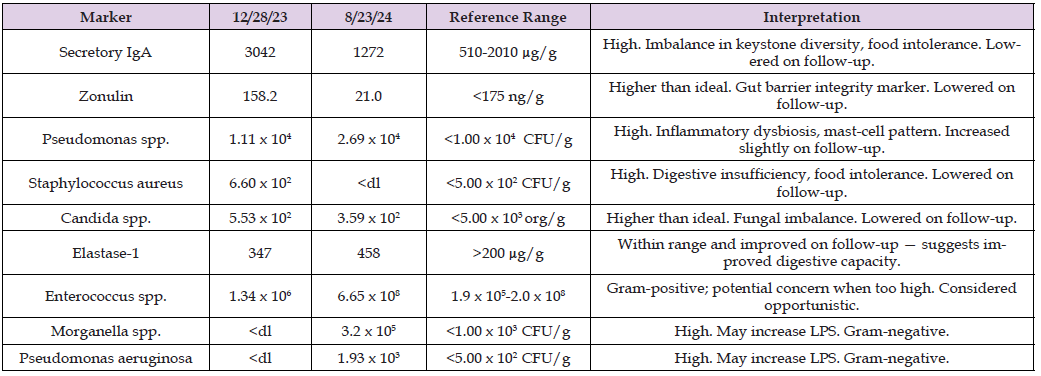
Table 4: Neurotransmitter and Hormone Changes.
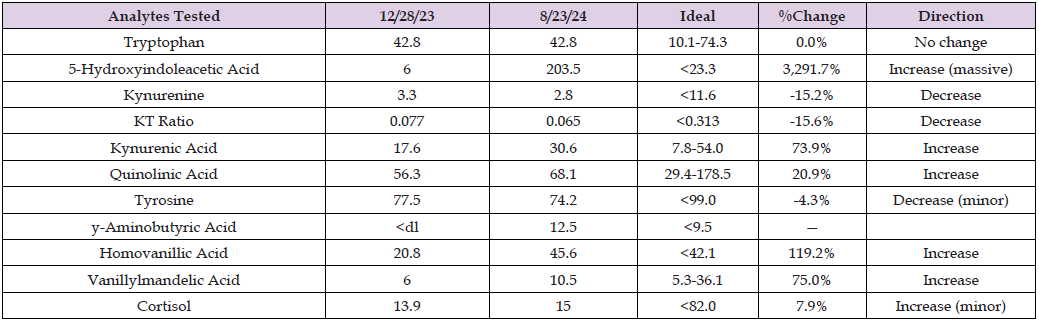
Table 5: Cognitive Domain Improvements.
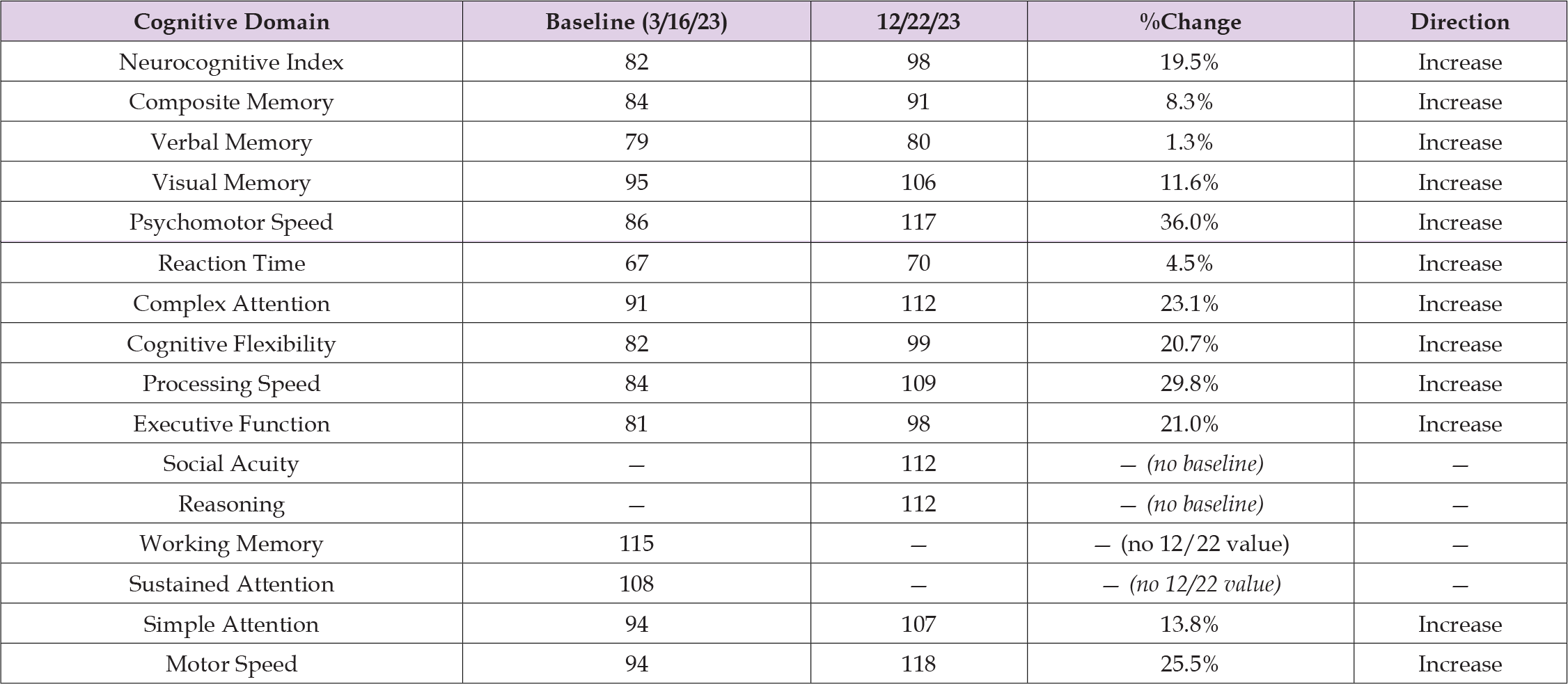
Table 6: Fit3D Body Composition Outcomes.
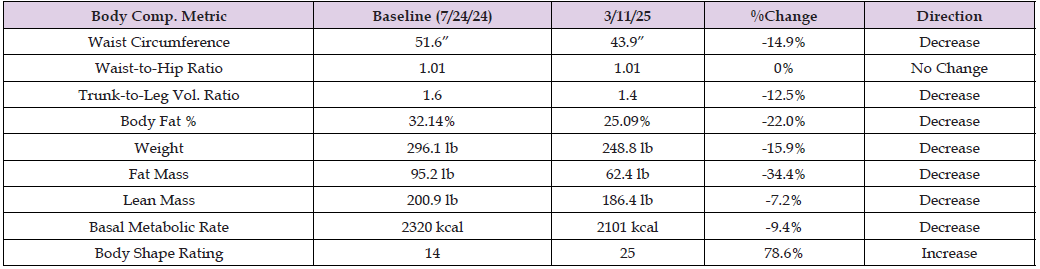
Table 7:
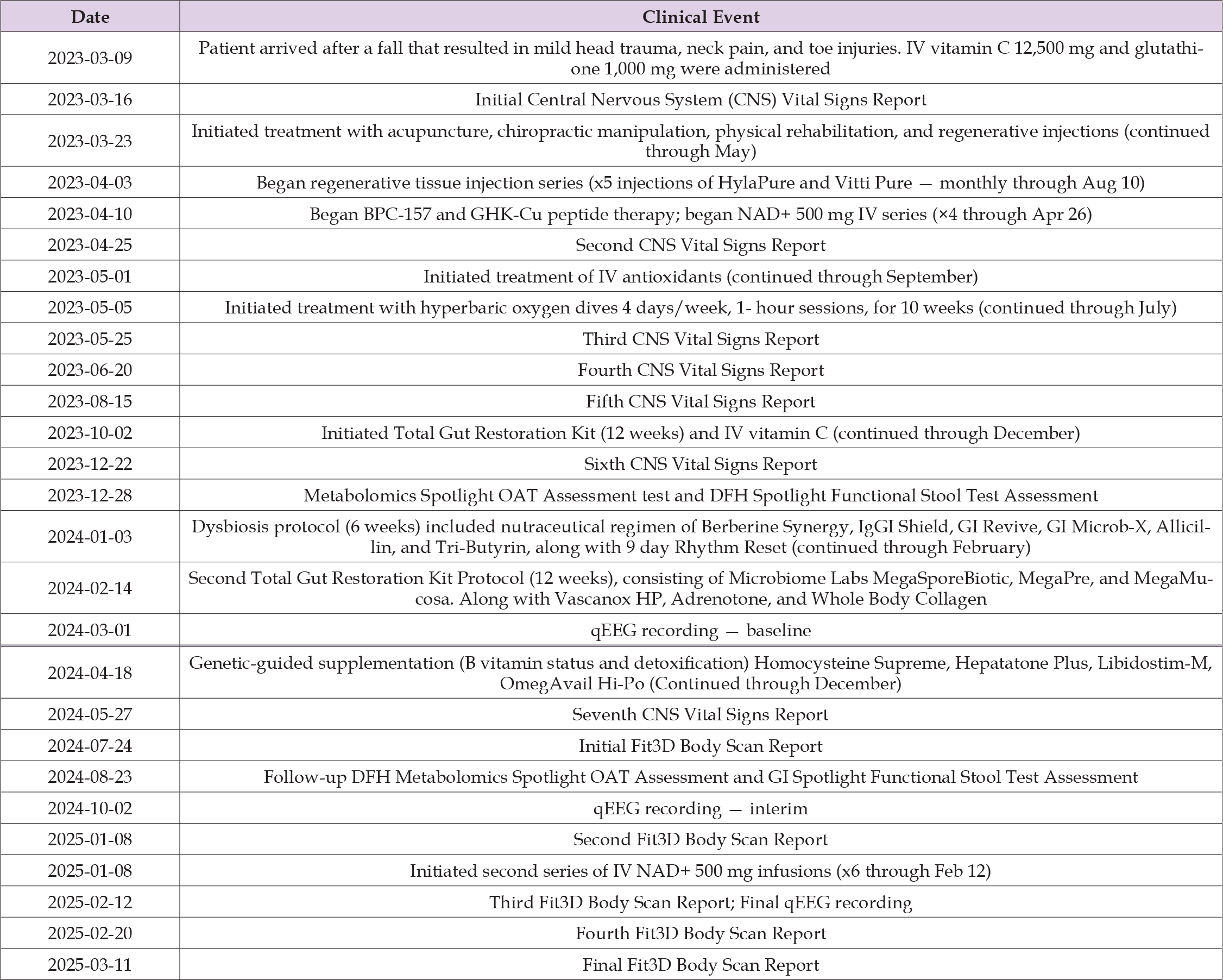
Figure 1
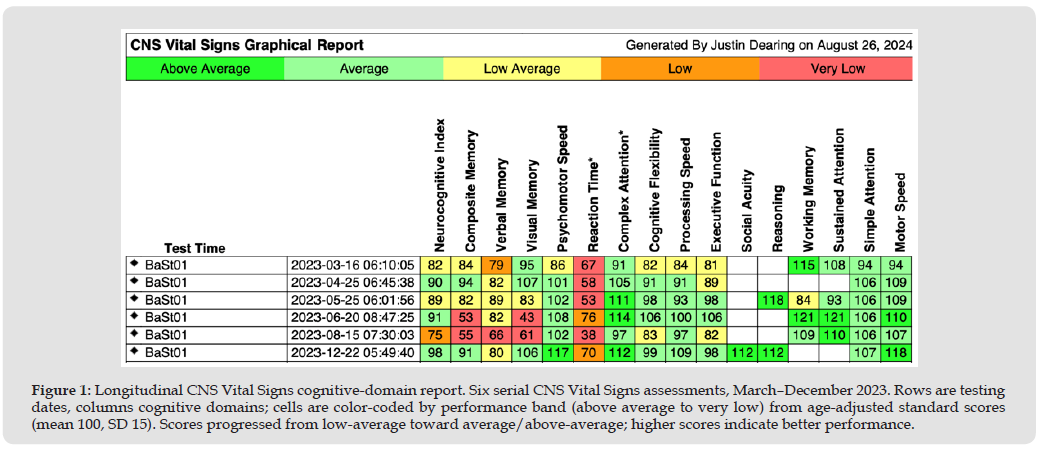
Figure 2
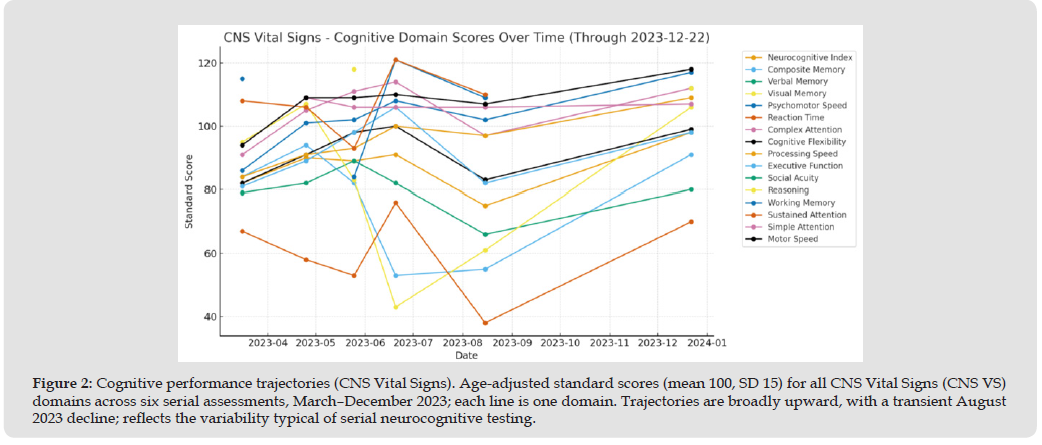
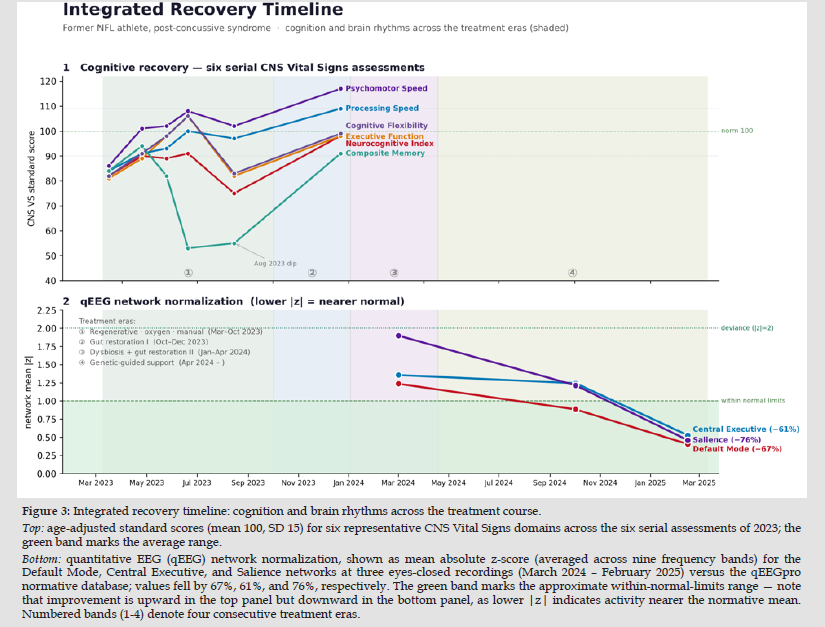
Figure 3
In this section, the scientific relevance of the constituents, supplement ingredients, and other therapeutics that were used in the 18-month program will be outlined. This will help elucidate some of the potential effects, benefits, and hypotheses underlying the positive outcomes.
Interventions were selected based on clinical outcomes and documented mechanisms in neuro-metabolic recovery:
1. Dysbiosis and Gut Restoration Protocols
Foundation for inflammation control.
2. Total Gut Restoration Kit (12-week Microbiome Labs program)
Barrier repair and SCFA support.
3. Hyperbaric Oxygen Therapy
Mitochondrial oxygenation and angiogenesis.
4. IV Antioxidant Therapy
Redox modulation and microcirculation.
5. NAD and High-Dose Nutrient IVs
Mitochondrial and DNA-repair support.
6. Stem Cell and Exosome Biologics
Regenerative signaling.
7. Rhythm Reset Nutrition Program
Metabolic switching and autophagy activation.
The sequence followed a reduce, repair, restore, and retrain framework.
Dysbiosis Protocol (6 Weeks of Berberine Synergy, IgGI Shield, GI Revive, GI Microb-X, Allicillin, and Tri-Butyrin)
The dysbiosis protocol coincided with sustained improvement of the patient, as he was still adapting his diet following the transition from an NFL-level caloric intake of 6,000–12,000 calories per day to a standard maintenance range of 2,000–3,000 calories. Without this intervention, persistent issues with kynurenine metabolism and neurotransmitter function would likely have remained unresolved. Impaired digestive capacity for proteins, fats, and carbohydrates had contributed to gram-negative bacterial dysbiosis and Candida overgrowth, resulting in excessive production of lipopolysaccharides (LPS), oxalates, and sugar alcohols. In combination with an elevated kynurenine-to-tryptophan ratio, these imbalances promoted ongoing formation of neurotoxic metabolites originating in the gut. This intestinal leakiness, inflammation, and endotoxin burden would have impeded continued neurological recovery beyond the period of intensive clinical care.
Berberine Synergy
Berberine Synergy was recommended based on the patient’s state of obesity and metabolic syndrome. This supplement provided 400 mg of berberine HCl from Berberis aristata with 50 mg of alpha lipoic acid per serving. This supplement was utilized to support metabolic health, as this combination is regarded for its efficacy in supporting blood glucose regulation and healthy insulin metabolism [34]. Berberine exhibits the ability to be supportive in lowering numerous markers of metabolic dysfunction, including fasting blood glucose, hemoglobin A1C, low-density lipoprotein cholesterol (LDL-C), triglycerides, and fasting insulin [35,36]. Berberine may play a role in healthy metabolic status and healthy mitochondria through its ability to support the production of GLP-1 by stimulating intestinal L-cells and mitigating oxidative stress [37,38]. Alpha lipoic acid is a molecule that acts as a cofactor for enzymatic reactions related to blood sugar metabolism and supports mitochondrial energy production by acting directly as a cofactor for pyruvate dehydrogenase and α-ketoglutarate dehydrogenase complexes [39].
IgGI Shield
In order to give more support to the gastrointestinal tract, the patient supplemented with 2.5 g serum-derived bovine immunoglobulin concentrate (ImmunoLinⓇ), 1.1 g of immunoglobulin G, and 1 g of N-acetyl-D-glucosamine daily for one month. This combination helps to improve mucosal barrier function, facilitates a balanced and healthy inflammatory response, and improves ability to bind and clear toxins and lipopolysaccharide (LPS) [40,41]. This was deemed necessary based on the high levels of Secretory IgA, an immunoglobulin that binds to toxins and pathogens in the mucosa-associated lymphoid tissues (MALT) and is associated with food intolerances [41]. Further, bovine immunoglobulins have shown an ability to increase the production of short-chain fatty acids (SCFAs) in humans [40].
GI Revive
Improving the integrity of the patient’s gut membrane was critical due to the elevated levels of Zonulin, secretory IgA, Pseudomonas spp. — a histamine-producing bacterium with an LPS outer wall — and Staphylococcus aureus, an opportunistic pathogenic bacterium associated with food intolerances [26,41-45] GI Revive was utilized due to its multi-ingredient formulation of 15 gut-supportive compounds, including zinc carnosine, L-glutamine, N-acetyl-D-Glucosamine, citrus pectin cellulose, DGL, aloe vera extract, slippery elm extract, mucin, marshmallow root, chamomile extract, okra extract, cat’s claw, MSM, quercetin, and prune. Zinc carnosine is a chelated compound of L-carnosine and zinc that helps stabilize the gut mucosa and cell membrane lining, supporting gastric tissue integrity and promoting a healthy inflammatory status within the gut [46–48]. The patient took one scoop daily for one month. Quantitative changes (Table 3) include an 86.7% decrease in Zonulin levels, a 58.2% decrease in secretory IgA, and a decrease of Staphylococcus aureus to below detectable limits over a 7-month period. Pseudomonas spp. levels remained elevated on follow-up testing.
GI Microb-X
The patient showed an imbalance in Candida spp. on his GI test (553 org/g). GI Microb‐X is a targeted blend of nutrients and botanicals with a long history of use for supporting a healthy microbial balance within the gastrointestinal tract. This proprietary blend of botanicals includes Tribulus extract, berberine, black walnut powder, barberry extract, artemisinin, along with magnesium and caprylic acid from magnesium caprylate. Research shows that the bioactive constituents in these botanicals possess properties that may help promote a healthy balance of normal gut flora [49-51]. Tribulus contains many bioactive compounds, including saponins and alkaloids, which may have health‐promoting properties, such as the support of GI microbial balance [50]. It exhibits properties that are anti-fungal and can bring levels of Candida spp. Down [50]. Follow-up testing demonstrated a 35% reduction in Candida spp. during a 7-month period (553 to 359 org/g).
Allicillin
To address the dysbiosis that was shown on the patient’s GI test, a recommendation of Allicillin was made. This product offers garlic and parsley oils to help support a healthy microbial ecosystem, primarily by inhibiting the growth of unfavorable microbes, such as Pseudomonas spp. and Staphylococcus aureus. Garlic contains diverse, bioactive compounds that have been studied for a broad range of health benefits. The most well‐known compound is allicin. However, the instability of allicin forces it to convert into the following more stable compounds: ajoene, diallyl sulfide (DAS), diallyl disulfide (DADS), and diallyl trisulfide (DATS). Ajoene has been proposed to be more bioactive than allicin by reacting with cysteine residues on proteins such as glutathione reductase, trypanothione reductase, and gastric lipase [52,53]. Ajoene’s reaction with the thiol residues on these molecules is largely responsible for the strong antimicrobial properties garlic offers against several gram‐positive and gram‐negative bacteria [54]. In addition to gastrointestinal support, the garlic sulfides DAS, DADS, and DATS may also help in supporting metabolic health. A meta‐analysis (n = 768) of randomized controlled trials concluded that 0.05 g to 1.5 g of garlic supplementation per day for 12 weeks played a positive and sustained role in normalizing blood glucose, total cholesterol, high‐density lipoprotein cholesterol, and low‐density lipoprotein cholesterol in the management of type 2 diabetes [55].
Tri-Butyrin Supreme
This supplement features CoreBiome™, a patent‐pending form of tributyrin, consisting of three molecules of butyric acid (butyrate) bound to glycerol, delivering butyrate to the colon where it can be fermented into SCFAs. Butyrate supplementation is considered a postbiotic— metabolites of bacteria that benefit the human GI tract. Low butyric acid level was observed on the OAT, suggesting reduced production of short-chain fatty acids and possible dysbiosis affecting the colonic environment. Butyrate is critically important for maintaining gut barrier integrity, modulating inflammation, and providing energy to colonocytes [56].
Total Gut Restoration Kit (TGRK)
Major findings in the GI Spotlight Functional Stool Test were high normal Zonulin, high normal Firmicute, indicating some level of disruption to the gut barrier integrity, along with high Pseudomonas spp., a pathogenic gram-negative bacterium, enveloped in lipopolysaccharide (LPS) [26]. The three supplements in the TGRK (Mega- SporeBiotic™, MegaPre™, and MegaMucosa™) may have contributed to increasing SCFA production, supporting intestinal barrier function, and regulating a healthy immune response [57,58]. MegaSporeBiotic is the first phase, also called the recondition phase, where 5 Bacillus spore-based probiotics (Bacillus Licheniformis, Bacillus Indicus HU36, Bacillus Subtilis HU58, Bacillus Clausii, Bacillus Coagulans) are introduced. These are meant to survive digestion, colonize, and promote microbial diversity, supporting gut barrier integrity and immune balance. In phase two—the reinforce phase—MegaPre supplies select prebiotic substrates (oligosaccharides) that feed beneficial bacteria while not feeding undesirable ones, helping to reinforce the shifts introduced by the previous phase. In the third phase—the rebuild phase—MegaMucosa helps repair the gut barrier and supports gastrointestinal immune function through a combination of amino acids, immunoglobulins, and bioflavonoids. From 2023 to 2024, immune markers normalized: neutrophils increased by 26.5%, from borderline- low to optimal innate immune activity, lymphocytes decreased by 20.2%, indicating less viral activation, monocytes decreased by 30.4%, showing resolution of chronic inflammatory load, while basophils remained stable, and eosinophils increased slightly, suggesting mild residual stress tone (see Table 2).
Hyperbaric Oxygen Therapy
HBOT was incorporated to support tissue repair, neuroprotection, and overall recovery. By increasing the partial pressure of oxygen in the blood, HBOT supports tissue oxygenation, promoting angiogenesis, collagen synthesis, and cellular metabolism [59]. In the context of post-concussive syndrome and cervical musculoskeletal injury, improved oxygen delivery can reduce hypoxia-related inflammation, support mitochondrial function, and facilitate the repair of damaged neural and connective tissues [59,60]. The patient showed impressive improvements in cognitive performance from the March 2023 baseline CNS vital signs testing to the December 2023 testing, which is discussed further in the following section titled “Neurocognitive and qEEG Findings” as well as in the cognitive performance domain reports (see Figures 1 & 2).
IV Antioxidant Therapy (Vitamin C and Glutathione)
IV administration of vitamin C (12,500 mg) and glutathione (1,000 mg) was utilized to support antioxidant capacity, attenuate inflammation, and enhance tissue repair. Delivering these nutrients intravenously bypasses intestinal absorption limits, allowing for significantly higher plasma concentrations than those achievable through oral intake. Vitamin C transporters in the gastrointestinal tract become saturated at doses between 200–400 mg, limiting systemic bioavailability; however, IV delivery circumvents this threshold and enables therapeutic levels to be reached rapidly [61]. Vitamin C serves as a critical cofactor for prolyl and lysyl hydroxylase—enzymes required for hydroxylation of proline and lysine residues during collagen synthesis—thereby directly contributing to connective tissue remodeling and wound healing [62]. Beyond its structural role, vitamin C neutralizes reactive oxygen species generated during tissue injury, modulates inflammatory pathways, and supports cellular recovery [62–64]. Although human research on IV glutathione remains more limited, emerging data suggest beneficial effects on vascular and metabolic function. In one clinical study, individuals with peripheral arterial disease receiving IV glutathione twice daily for five days demonstrated improved pain-free walking distance and enhanced peripheral circulation compared with placebo [65]. Collectively, this IV antioxidant protocol was intended to reduce oxidative burden, support tissue regeneration, and complement the broader regenerative and mitochondrial restoration strategies implemented in this case.
IV NAD+ Therapy
Nicotinamide adenine dinucleotide (NAD⁺) was incorporated into the patient’s treatment protocol for its central role in mitochondrial function, cellular energy metabolism, and neuroprotection [66-68]. Emerging evidence links suboptimal NAD⁺ levels to neurodegenerative processes, including Alzheimer’s disease and other forms of cognitive decline, where mitochondrial dysfunction and oxidative stress are key pathophysiologic features [67,68] As an essential coenzyme in oxidative phosphorylation, NAD⁺ facilitates electron transfer within the mitochondrial respiratory chain, thereby sustaining neuronal energy production and redox balance [69]. In addition to its neuroprotective effects, NAD⁺ plays a vital role in cardiovascular and endothelial health by regulating sirtuin activity, promoting DNA repair, and modulating inflammatory signaling pathways [70]. Through these mechanisms, NAD⁺ repletion supports both cerebral and systemic metabolic recovery, aligning with the comprehensive integrative approach utilized in this case to address mitochondrial dysfunction, cognitive impairment, and vascular dysregulation.
IV Regenerative Therapy (HylaPure and Vitti Pure)
HylaPure Micronized Wharton’s Jelly is a specialized formulation derived from Wharton’s jelly, the gelatinous connective tissue within the umbilical cord. This tissue is rich in mesenchymal stem cells (MSCs), hyaluronic acid, collagen, and growth factors, making it highly valuable in regenerative applications. HylaPure is classified as a 361-HCT/P product—specifically, a micronized umbilical/placental tissue matrix that is minimally manipulated and cryogenically preserved. It retains the extracellular matrix without the use of DMSO, and is intended for regenerative and reparative purposes. Vitti Pure is a complementary regenerative preparation produced by Vitti-Labs as an alternative to platelet-rich plasma (PRP). It is a growth factor– dense, non-cellular plasma derivative formulated to mimic the regenerative stimulus of PRP but derived from placental and umbilical tissue rather than autologous blood. This stem cell–based injectable offers a cost-effective option, as it does not contain Wharton’s jelly or live cells. Each 4.5 cc vial can be administered across multiple joints, tendons, or ligaments. The product delivers non-cellular growth factors from the same immune-privileged birth tissue source as PRP.
The Rhythm Reset 9-Day Program
The Rhythm Reset Program was incorporated as a foundational intervention to re-establish physiologic coherence between the patient’s metabolic, neurologic, and circadian systems—areas commonly disrupted in chronic TBI [71-73] Repetitive head and neck trauma, as seen in many professional athletes, leads to dysregulation of the autonomic nervous system, mitochondrial fatigue, altered sleep– wake cycles, and chronic neuroinflammation. The Rhythm Reset’s structured nine-day protocol integrates targeted nutritional support, breath-work, circadian entrainment practices, and lymphatic activation to restore systemic balance. By supporting gut–brain axis repair, reducing neuroinflammatory signaling, and improving oxygen utilization at the cellular level, the program helps reestablish the “rhythmic” synchronization necessary for optimal cognitive recovery and metabolic resilience. This approach aligns with emerging evidence linking circadian rhythm restoration and autonomic recalibration to improved neuronal repair, sleep quality, and neuroendocrine balance in post-concussive individuals. The program’s emphasis on nutrient- dense and anti-inflammatory foods, targeted supplementation, guided movement, and structured rest supported mitochondrial efficiency, lymphatic drainage, and gut integrity—three pillars critical for neurological healing. When combined with IV nutrition, HBOT, chiropractic rehabilitation, and precision nutraceuticals, the Rhythm Reset provided the physiologic groundwork for improved neuronal communication and decreased systemic inflammation.
Peptide Therapy (BPC 157 Oral and GHK-Cu Injections)
The patient supplemented with BPC 157 500mcg 1 capsule daily for 2 months. The inclusion of oral BPC-157 in this patient’s comprehensive protocol was based on its multifaceted regenerative and neuroprotective properties relevant to post-concussive and systemic dysfunction [74,75]. BPC-157 has been shown in preclinical studies to promote neuronal repair through upregulation of growth factors such as brain-derived neurotrophic factor (BDNF) and vascular endothelial growth factor (VEGF), while attenuating neuroinflammation via suppression of proinflammatory cytokines and NF-κB signaling [74-76]. These mechanisms directly address the chronic neuroinflammation, oxidative stress, and neuronal degeneration associated with traumatic brain injury and early cognitive decline that the patient was experiencing. Additionally, oral administration supports gastrointestinal mucosal healing, enhances gut barrier integrity, and modulates the gut–brain axis—key considerations given the patient’s significant gastrointestinal dysfunction and its contribution to systemic inflammation [74,77]. BPC-157 provided an integrative therapeutic bridge between the neurologic, metabolic, and structural components of this patient’s complex clinical picture, complementing the effects of regenerative IV therapies, HBOT, and targeted nutraceuticals. Another peptide, GHK-Cu (glycyl-L-histidyl-L-lysine-copper), was introduced as part of this patient’s regenerative treatment protocol due to its broad reparative and neurorestorative properties [78-80].
This tripeptide–copper complex has been shown to modulate thousands of human genes involved in tissue remodeling, antioxidant defense, and nervous system development [76]. Through suppression of pro-inflammatory mediators such as NF-κB, TNF-α, and IL-6, and concurrent activation of antioxidant pathways including superoxide dismutase (SOD) and metallothionein, GHK-Cu exerts potent anti-inflammatory and oxidative stress–reducing effects [77,78]. Preclinical studies further demonstrate that GHK-Cu enhances collagen synthesis, angiogenesis, and fibroblast proliferation, key processes for musculoskeletal and connective tissue repair, which are particularly relevant to this patient’s cervical enthesopathy and chronic pain [81,82]. Additionally, its ability to improve mitochondrial respiration and neuronal growth supports cognitive and metabolic recovery following traumatic brain injury. When integrated alongside BPC-157, IV regenerative therapy, and HBOT, GHK-Cu serves to promote cellular repair, vascular health, and combat neurodegeneration.
Acupuncture
Acupuncture was incorporated into the patient’s integrative protocol to address chronic pain and support tissue healing [83,84]. Needle stimulation promotes pain reduction through the release of endogenous opioids and modulation of central pain pathways, which is particularly relevant for the patient’s cervical enthesopathy and widespread myalgia [85]. In addition, acupuncture enhances local microcirculation, improving the delivery of oxygen and nutrients to injured tissues and supporting connective tissue repair [86,87].
Chiropractic
Chiropractic manipulation therapy was included in the patient’s integrative protocol to address musculoskeletal dysfunction and support functional recovery. Spinal adjustments can restore joint alignment and mobility and reduce mechanical stress on muscles and ligaments, which was critical for treatment of the patient’s neck pain and chronic myalgia [85]. In addition, chiropractic care may enhance neuromuscular coordination and proprioceptive feedback, supporting postural stability and improving movement patterns following repetitive head and neck trauma [86]. By optimizing joint and soft tissue function, chiropractic interventions complement physical therapy, regenerative peptide therapy, and nutraceutical support, facilitating pain reduction, tissue repair, and overall rehabilitation.
CNS Vital Signs
CNS Vital Signs was chosen as the primary cognitive assessment tool because it provides a validated, quantitative profile of multiple brain functions that are often disrupted in individuals with repetitive sub-concussive exposure and metabolic dysfunction. The platform measures domains such as memory, processing speed, executive function, and attention with high test–retest reliability, allowing objective tracking of progress over time. Unlike standard symptom questionnaires, CNS Vital Signs captures subtle neurocognitive recovery that parallels physiologic changes seen on qEEG and metabolic testing. In this case, it documented the transition from slowed processing and cognitive fatigue to normalized or above-average performance, confirming restoration of network efficiency and functional brain resilience.
Neurocognitive and qEEG Findings
Six serial assessments from March 2023 through December 2023 documented steady cognitive improvement (Figures 1 & 2 and Table 5). Neurocognitive Index (+19.5), Executive Function (+21%), Psychomotor speed (+36%), Processing Speed (+29.8%), Composite Memory (+8.3%), and Cognitive flexibility (+20.7%) progressed from low-average to expected or above-average norms, coinciding with the phases of gut restoration and metabolic therapy. When the patient first arrived, his brain maps and cognitive tests showed a system running in “low gear.” He could think and remember, but mental tasks required extra effort. The qEEG confirmed slower healing rhythms (theta and delta) and weak communication between key control networks, patterns that reflect inflammation and metabolic fatigue, much like his lab markers of anemia and immune under-drive.
The biggest change came once his metabolic and gut-repair measures had been in place long enough to lower inflammation and improve cellular energy. That shift, together with oxygen therapies, NAD+ support, and targeted brain training, allowed the neural networks to resynchronize. In short, the “hardware” of his brain finally had the fuel and stability it needed to run at full speed again. As gut and metabolic therapies normalized nutrition status, oxygenation, and inflammatory control, those brain-wave patterns normalized. CNS Vital Signs testing confirmed faster processing, sharper memory, and sustained attention returning to normal or better.
By early 2025, the Default Mode and Executive Networks were back in sync: slow, drowsy waves quieted, while faster beta activity strengthened and became more coordinated (Figure 3). The frontal and cingulate regions, centers of attention, self-control, and consciousness, reconnected fully, explaining his renewed clarity, energy, and cognitive resilience. Today, his test scores and brain activity patterns resemble those of a healthy, well-regulated nervous system. He can sustain focus, process information rapidly, and recover from stress or fatigue without setbacks. The data show not just symptom relief but restoration of brain efficiency—the ability to switch smoothly between rest, focus, and recovery, which is the foundation of lasting cognitive and emotional resilience.
Fit3D Body Scans
Fit3D scanning began in July 2024, one year into treatment. The first scan reported some body mass improvement, at 296.1 lbs. (-7.5%) relative to the original 320 lb. baseline we measured on the date of his first visit. Across four scans (July 2024 → March 2025), weight decreased into the low-220-lb range (-15.9%), BMI shifted from 37.9 to 32, and body-fat percentage improved (-22%) with some lean-mass preservation (-7.2%), and an overall significant improvement in Body Shape Rating (+78.6%). Basal Metabolic Rate adjusted from 2320 kcal to 2102 kcal (-9.4%) (see Table 6).
This case demonstrates how a phased, multiomics-guided rehabilitation program can improve neurologic and metabolic resilience in a retired professional athlete with a history of repetitive subconcussive injury. Integration of gut restoration, oxygen-based therapies, metabolic repair, and regenerative biologic interventions resulted in measurable improvement across cognitive, electrophysiologic, hematologic, and body-composition domains. Quantitative EEG provided one of the most striking indicators of recovery, showing a 61-76% reduction in network abnormalities across the Default Mode, Central Executive, and Salience Networks (Figure 3). These objective brain improvements closely paralleled the second series of NAD+ infusions, which enhanced mitochondrial redox signaling and promoted neuronal and neurovascular repair. Together, these interventions reestablished cortical efficiency, coherence, and functional connectivity that had been disrupted by years of microtrauma and metabolic strain. Serial CNS Vital Signs assessments confirmed the clinical significance of these findings, documenting recovery of processing speed, sustained attention, memory, and executive function from below-average to expected or above-average levels. Metabolic testing and Fit3D analyses supported these outcomes, showing improved mitochondrial performance, immune regulation, and over 100 pounds of healthy weight reduction with preservation of lean mass.
The convergence of these outcomes demonstrates that clinically meaningful neuroregeneration can occur when oxygen dynamics, mitochondrial metabolism, and systemic inflammation are simultaneously corrected. This case supports the concept that integrating multiomics assessment with targeted oxygen and regenerative therapies can achieve durable neurologic and metabolic resilience, offering a reproducible model for addressing post-concussive syndrome and chronic TBI.
Written informed consent was obtained from the patient for publication of this case report. Identifying information has been removed or minimized to protect patient confidentiality.
This case report describes retrospective clinical observations from routine patient care. Institutional review board approval was not required for this single-patient case report, however, the patient provided written informed consent for publication of this case report.
Justin Dearing DC, DACNB, FIAMA, FAARM contributed to patient care, clinical data collection, case interpretation, and manuscript review. Melanie Luther contributed to literature review, clinical writing, and manuscript preparation. Seamus Kelly added further input on scientific deep dives and clinical writing. Oscar Coetzee contributed to clinical interpretation, manuscript development, revision, and correspondence with the journal. All authors reviewed and approved the final manuscript.
The authors received no financial support for the research, authorship, or publication of this case report. All treatments were paid for by patient.
The authors acknowledge the healthcare professionals involved in the patient’s care and collection of clinical records used in this case report. The authors are especially grateful to the team at The Dearing Clinic (Brentwood, Tennessee), including Justin Dearing DC, DACNB, FIAMA, FAARM, DC, DACNB, FIAMA, FAARM; Lauren Dearing, ACNP; Catherine Jones, FNP; and Charles Bell, DO, for their clinical expertise, patient care, and assistance with clinical documentation. The authors also acknowledge Richard J. McAlister, DC, BCN, qEEG-D, for his expertise in quantitative electroencephalography (qEEG) acquisition and analysis. The authors thank Seamus Kelly, MS candidate, for assistance with manuscript preparation, formatting, editorial review, and table standardization.

International Association of Landscape Archaeology, Czech Glass Society, Czech Republic

Department of Chemistry, Semenov Institute of Chemical Physics, USSR Academy of Sciences, Moscow, Russia
Associate Professor at Department of Breast and Thyorid Surgey, Chongqing General Hospital, China

Professor of Nuclear Medicine, Faculty of Medicine and Surgery, University of Milan, Milan, Italy

Department of Pharmaceutical Sciences, South University School of Pharmacy, USA





 Abstract
 PDF
PDF